Battery systems and residential installation considerations

Our Technical team is receiving an increasing number of enquiries about battery systems, particularly regarding installation and testing. However, we also want to highlight the installation considerations that arise when attending a customer’s home to install additional power points, lighting, EV chargers, and other electrical additions.
We’re all familiar with alternative power supplies such as generators and solar PV systems. These systems were generally straightforward to identify and isolate. However, battery energy storage systems have introduced a new level of complexity.
With the introduction of the Battery Incentive Scheme, battery and solar installations have increased significantly across residential properties. As a result, electricians need to be increasingly vigilant and understand the various battery system installation configurations they may encounter.
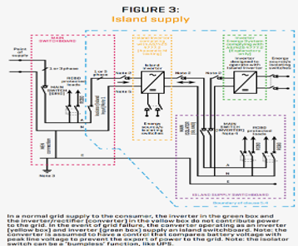
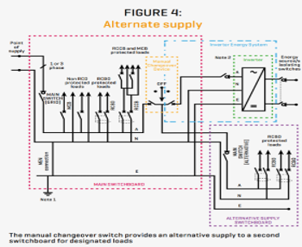
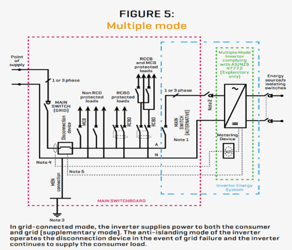
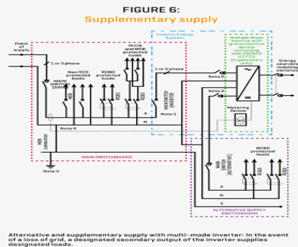
Some common configurations are shown below.
Before commencing any work:
Identify the type of installation. Review all labelling, system diagrams, and any available documentation to understand the system configuration.
Confirm the location of the circuit you will be working on. Client requirements and battery system configurations can vary considerably, which may affect isolation procedures and testing requirements.
Understand the testing implications. Testing requirements may differ depending on what has been installed or modified and where the work has been carried out.
It is important to be familiar with the testing requirements for battery energy storage systems in accordance with AS/NZS 4777.1:2024, Section 8.